Buying New Construction In Lakewood Ranch: A Practical Guide
May 14, 2026
May 14, 2026
Thinking about buying a brand-new home in Lakewood Ranch? You are not alone, and it is easy to see why. With many actively selling villages, a wide mix of home types, and builders ranging from production companies to custom luxury brands, the options can feel exciting and overwhelming at the same time. This guide will help you understand how new construction works in Lakewood Ranch, what questions to ask, and where buyers often get surprised so you can move forward with more confidence. Let’s dive in.
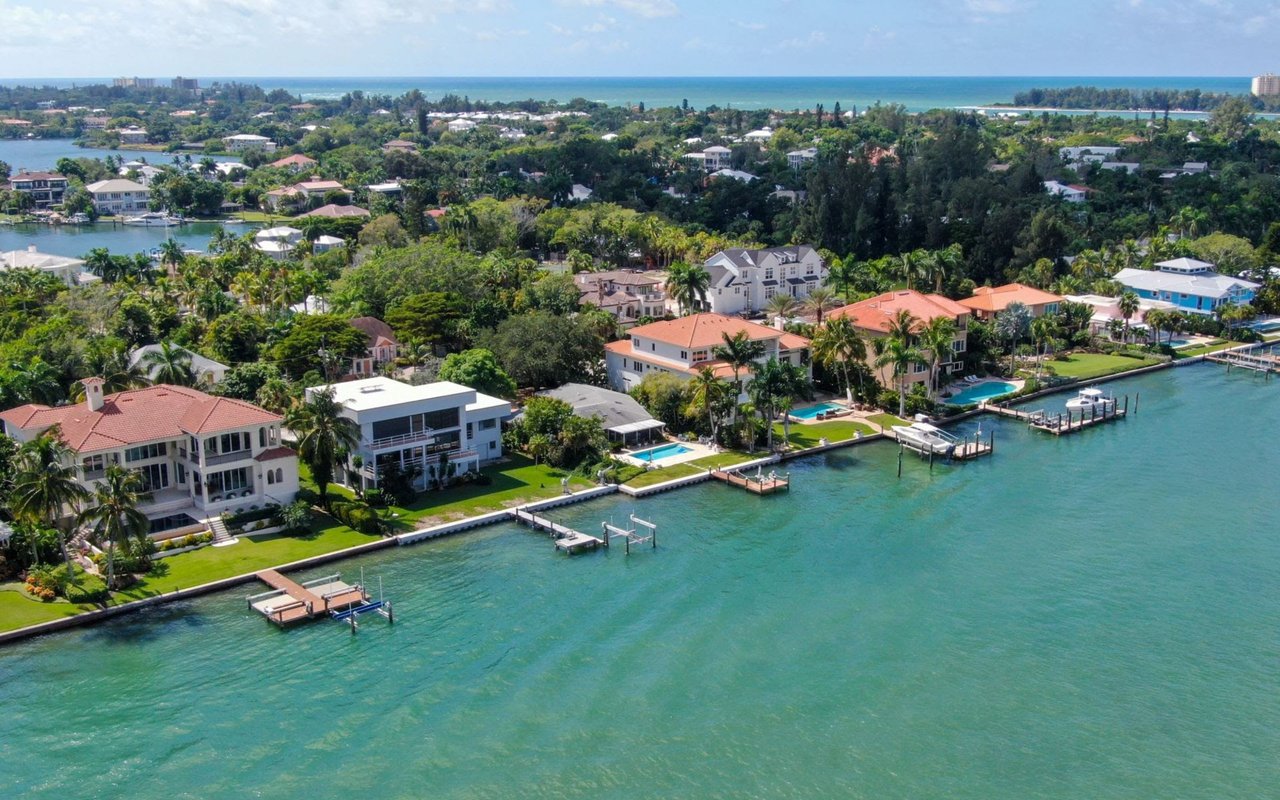
Lakewood Ranch is a large master-planned community spanning more than 35,000 acres in Manatee and Sarasota counties. According to the community’s official FAQ, 19 of its 36 villages are actively selling new-construction homes. That gives you a broad range of choices, but it also means the details can vary a lot from one village to another.
You will find options that include custom homes, maintenance-free homes, age-restricted communities, model homes, move-in-ready homes, townhomes, attached villas, condominiums, and multigenerational layouts. Some builders offer a more streamlined production process, while others focus on custom design and a longer planning timeline. In practical terms, your experience may look very different depending on the village, builder, and stage of construction.
One of the first things to confirm is which county your village is in. Lakewood Ranch includes villages in both Manatee and Sarasota counties, and the official FAQ notes that villages north of University Parkway are generally in Manatee County, while villages south are generally in Sarasota County. That matters when you start discussing taxes, permitting, and county-specific fees.
It is important not to assume that one model home visit tells you everything about another part of Lakewood Ranch. Even within the same master-planned community, fees and local processes can change by village. Verifying the exact location early can save you time and prevent budget surprises later.
In Lakewood Ranch, the biggest choice is often not just which home to buy, but how new you want it to be. Some buyers want the ability to personalize nearly every detail. Others would rather move sooner and avoid a long construction timeline.
A fully custom home gives you the most control, but it usually takes the most time. Research in the report notes that a custom-home design phase often lasts three to six months, and construction typically lasts at least 12 to 16 months. If your timeline is tighter, a stock plan or spec home may offer a faster route, and you may still be able to choose some finishes if the home is early enough in the build.
Lakewood Ranch says buyers can work directly with the builder, and many people do. At the same time, the community also notes that many homeowners choose a Realtor to help facilitate the process, manage communication, and explain local differences. That can be especially helpful if you are relocating, buying from out of state, or comparing several builders at once.
Builder contracts, timelines, and upgrade structures are not all the same. Promotions can apply only to certain homesites or communities, and some offers may require the use of a preferred lender or title company. It is also common for model-home photos and promotional images to show features that are not included as standard.
One of the most important questions you can ask is simple: What is included in this price? Lakewood Ranch’s Home Finder says home prices may not include lot premiums, upgrades, or options. That means the base price you first see may not reflect your final number.
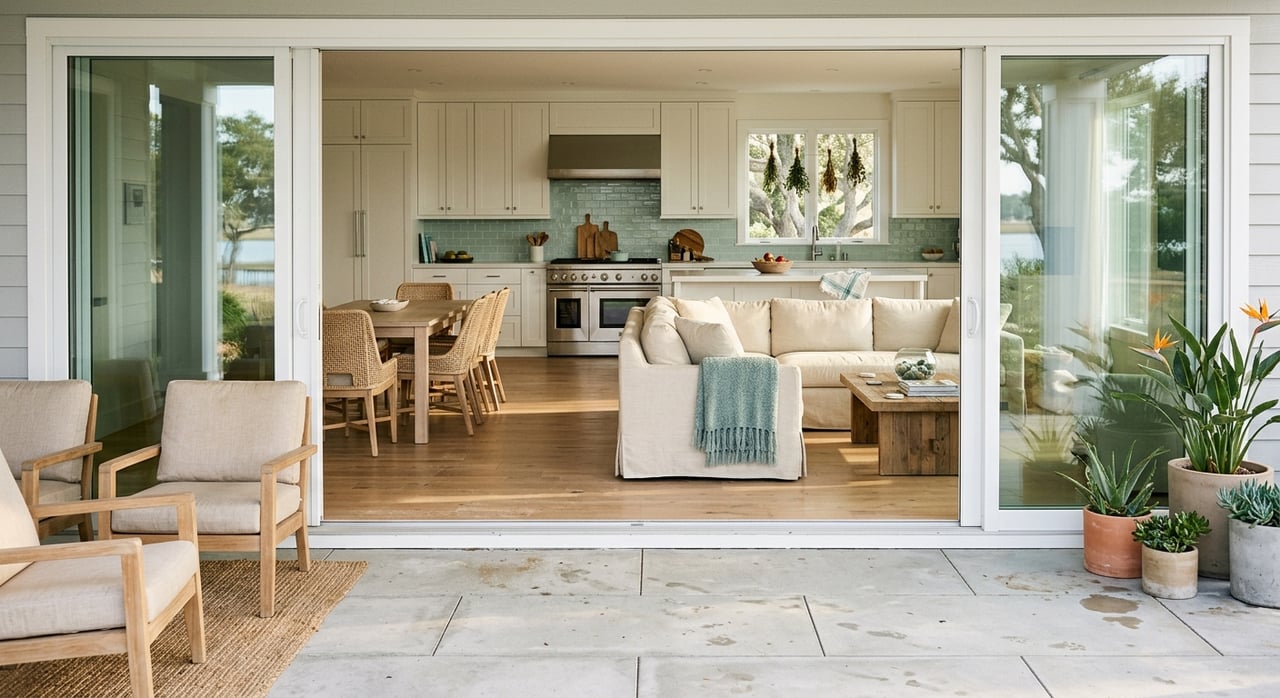
Included features can vary widely by builder and community. Some homes may include items like concrete-block construction, smart-home features, stainless steel appliances, ceramic tile in main living areas, or granite kitchen countertops. Other builders may emphasize a long menu of personalization choices instead. The key is to ask for a written breakdown of standard features versus optional upgrades.
Your monthly payment is only part of the story in Lakewood Ranch. Every village has HOA fees, and the official FAQ says those fees generally help cover village amenities, common-area maintenance, and some lawn care and irrigation. The reported monthly HOA range is about $100 to $800, with most villages falling between $200 and $300.
Lakewood Ranch also has a Stewardship District Fee, which helps fund infrastructure and community improvements such as trails, lakes, stormwater ponds, arterial road enhancements, and conservation areas. In addition, amenity centers are usually exclusive to each village, so access can differ depending on where you buy.
If you are buying in unincorporated Manatee County, there may also be impact fees tied to new construction. The research report notes these are one-time charges collected when construction is completed. Because Lakewood Ranch spans two counties, it is smart to confirm the fee structure for the exact property rather than relying on general assumptions.
It is easy to think every new home in Lakewood Ranch offers the same level of customization, but that is not the case. Some builders highlight flexible spaces and design-center finishes. Others focus on a larger catalog of choices and upgrades.
This matters because your experience, budget, and timeline can all shift based on how the builder handles selections. If design choices are important to you, ask when selections are due, what is standard, and whether your home is still early enough in the process for changes.
A new home is new, but that does not mean it is inspection-free. Florida Realtors notes that buyers may want inspections during the build, including at the foundation stage, before drywall, and again at final punch-out. These phase inspections can help identify issues before they become harder to address.
Manatee County also conducts permit inspections for required trades such as structural, gas, plumbing, mechanical, and electrical work. Before a Certificate of Occupancy or Completion can be issued, all final inspections must pass, all holds must be released, and all fees must be paid. County inspections are important, but many buyers still choose an independent inspector for added peace of mind.
Closing on a new construction home can feel less predictable than closing on a resale. Delays related to materials, labor, weather, inspections, or final approvals can affect timing. If the home is not complete, financing may also work differently than a standard resale purchase.
The research report notes that construction loans are short-term loans that fund land, labor, permits, and materials in installments, with interest-only payments often made during construction. Not every buyer will use this type of financing, but it is important to understand early if your builder and home type call for a different loan structure than you expected.
If you want to feel more in control, focus on the questions that shape your real cost, timeline, and expectations.
Buying new construction in Lakewood Ranch can be a great fit if you want modern layouts, current finishes, and the chance to personalize your space. It can also be more complex than many buyers expect, especially when you are comparing villages across two counties, reviewing builder incentives, and trying to understand what is actually included in the price.
That is where calm, local guidance can make a real difference. If you want help comparing builders, understanding fees, or navigating the process from a distance, working with someone who knows the Sarasota and Lakewood Ranch area can help you avoid common missteps and stay focused on the home that fits your goals.
If you are exploring new construction in Lakewood Ranch and want practical, responsive guidance, reach out to Monica Desomma for help comparing communities, builders, and next steps.
Stay up to date on the latest real estate trends.
I am committed to guiding you every step of the way—whether you're buying a home, selling a property, or securing a mortgage. Whatever your needs, I've got you covered.