Siesta Key Condo Living: What Buyers Should Know First
June 18, 2026
June 18, 2026
Dreaming about a Siesta Key condo? The view may grab your attention first, but the smartest buyers look beyond the balcony. On Siesta Key, your daily routine, carrying costs, rental options, and storm planning can all change based on the building, the block, and the condo association. If you understand those pieces early, you can shop with more confidence and avoid expensive surprises. Let’s dive in.
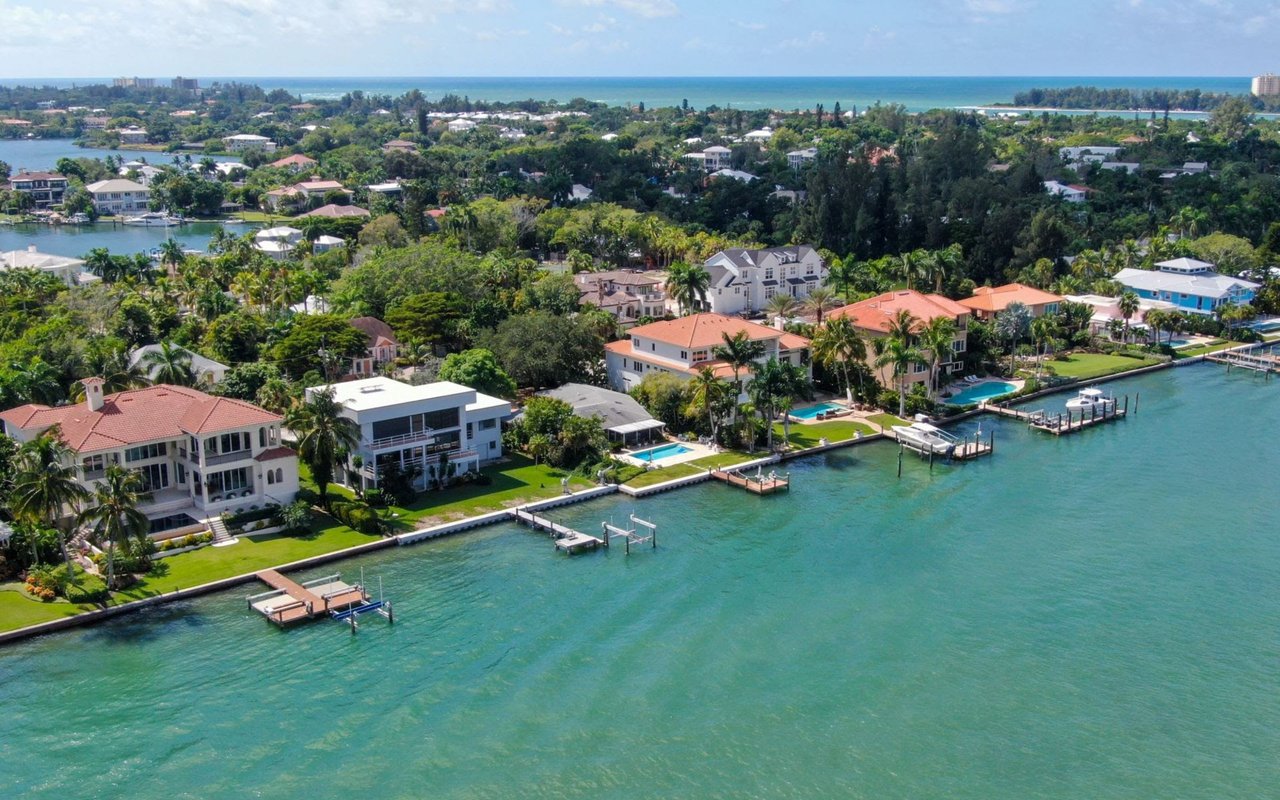
Siesta Key condo living is shaped by barrier-island life, not just the usual condo checklist. Where a building sits on the island can affect how you get to the beach, where you park, how often you use your car, and how easy it is to get around during busy seasons.
Sarasota County operates the free Route 77 Siesta Islander, which connects downtown Sarasota, Siesta Key Village, Siesta Beach, South Village, and Turtle Beach Park & Campground. It runs daily from 8 a.m. to 10 p.m. and is intended to help reduce traffic congestion on the Key. For some buyers, access to the trolley can be a major quality-of-life feature.
Beach access also deserves a closer look than many buyers expect. Sarasota County’s beach-access information shows that some access points have no parking, while others may have only one ADA space. That means two condos with similar square footage can offer very different daily convenience depending on their exact location.
A condo near Siesta Key Village often gives you easier access to dining, shops, and trolley stops. If you picture morning coffee walks, casual dinners out, or less driving, this part of the island may fit your routine better.
South-end properties are closer to Turtle Beach and often appeal to buyers who want a quieter setting. Mid-Key and beach-road locations may place you closer to public beach access, but access points and parking can be limited. On Siesta Key, the exact block matters, not just the island name.
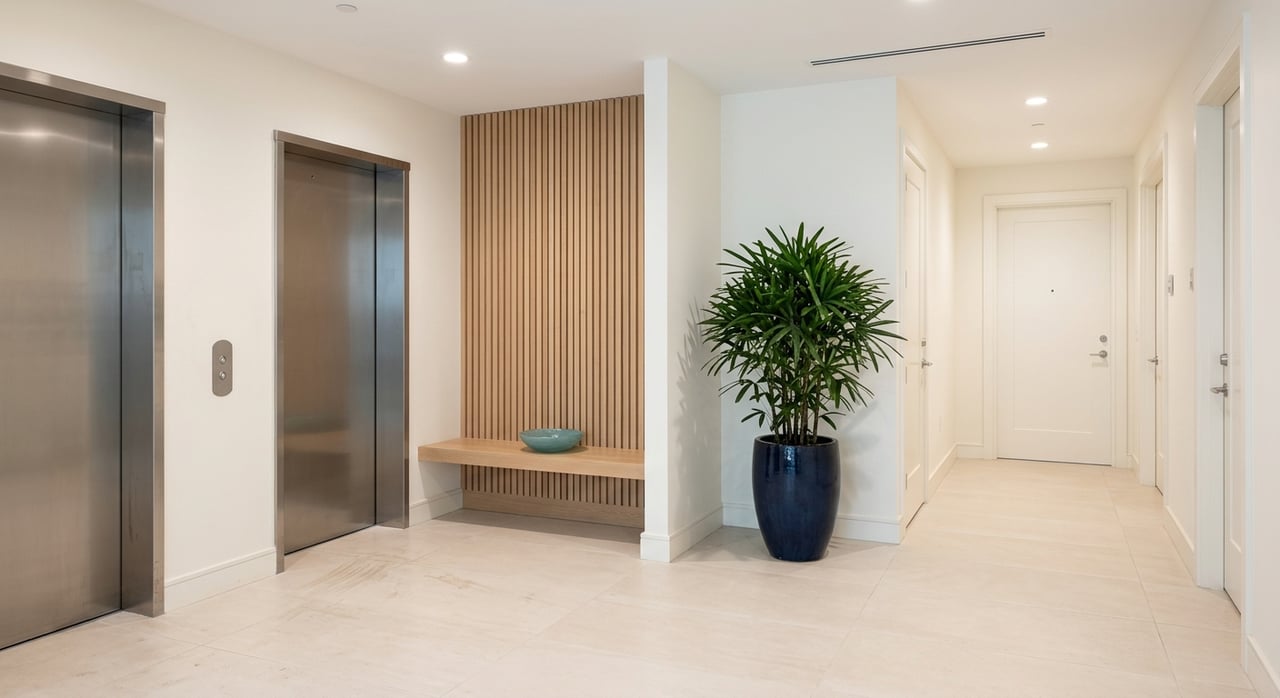
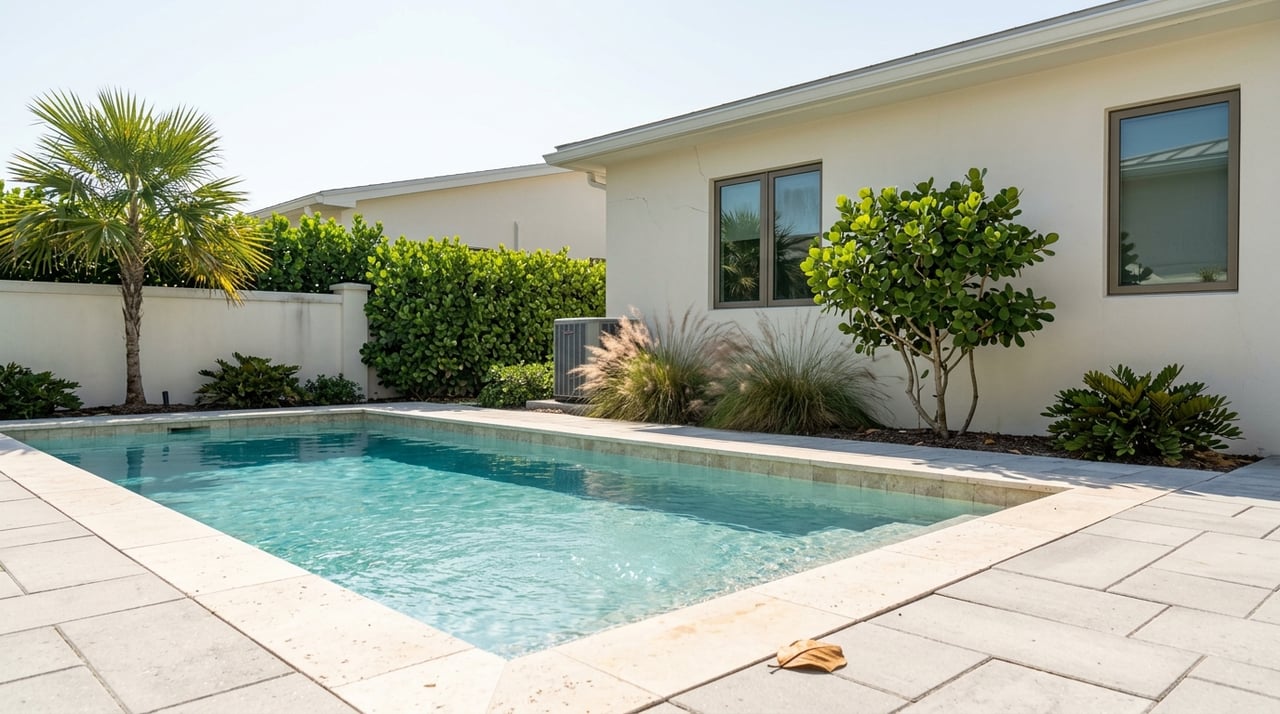
Many Siesta Key condo communities offer amenities that support beach living, but features vary by building. Examples seen in local communities include:
The key is to verify what is actually included in the community you are considering. You should also confirm what the HOA dues cover, since two buildings with similar amenities may have different fee structures and owner responsibilities.
When you buy a condo in Florida, you are not only buying the interior space. You are also stepping into shared ownership of common elements and shared decision-making around building systems. Under Florida law, condominium associations maintain, repair, and replace common elements and may access units when needed for maintenance, repairs, replacement, or to prevent damage.
In practical terms, that means the association may have a direct role in major items like the roof, exterior, elevators, pool areas, and other common systems. This is one reason condo living can feel very different from owning a single-family home.
Before you buy, it helps to understand the association’s operating style, current budget, and overall maintenance planning. A well-run association can support a smoother ownership experience, while a poorly planned one can lead to uncertainty and surprise costs.
Florida law requires condominium associations to maintain adequate property insurance, but that does not mean the association’s policy covers everything inside your unit. State law makes clear that certain interior items, personal property, and many finishes and fixtures remain the unit owner’s responsibility.
That is why you should review the master policy carefully before making an offer. You will want to understand what the association covers, what is excluded, and how the deductible structure could affect owners. Your own condo policy needs should be reviewed alongside the building’s coverage, not after closing.
Special assessments are a major part of condo due diligence, especially in a coastal market. Florida law allows associations to levy special assessments, but the written notice must state the purpose, and the funds collected can only be used for that stated purpose.
For you as a buyer, that means current or pending assessments can have a direct impact on your true monthly and yearly cost of ownership. Even if a unit looks affordable at first glance, an upcoming assessment for major repairs or deferred maintenance can change the picture quickly.
If you are shopping in an older building, recent Florida condo laws should be high on your checklist. For condominiums and cooperatives that are three habitable stories or more, the state’s milestone-inspection law requires a structural inspection by age 30 and every 10 years after that.
In coastal areas, the local enforcement agency may require the first inspection at age 25 when local conditions justify it, including proximity to salt water. On Siesta Key, that makes building age and inspection status especially important.
Florida’s structural integrity reserve study rules also matter. Associations that meet the legal criteria had to complete a structural integrity reserve study by December 31, 2025, and the study must address major items such as:
These studies must be performed or verified by a licensed engineer, architect, or qualified reserve professional. They are designed to support a reserve-funding plan that aligns with the building’s maintenance needs.
Florida’s condo-sale disclosure law gives buyers access to a stronger due-diligence package than in the past. At the seller’s expense, a prospective purchaser is entitled to current copies of key association documents and reports.
These can include the declaration, articles, bylaws and rules, annual financial statement and budget, the inspector-prepared summary of any milestone report, the most recent structural integrity reserve study, and any applicable inspection report. If a required milestone inspection or reserve study has not been completed, the contract must clearly disclose that fact.
This information can help you compare buildings with more clarity. It also gives you a better view of whether a community appears proactive, underfunded, or in the middle of major changes.
Many buyers are interested in using a Siesta Key condo as a second home with some rental flexibility. That can be a smart goal, but you need to separate two different issues: county zoning and the condo association’s own governing documents.
According to Sarasota County’s rental guide, barrier-island RMF properties, including those on Siesta Key, may be rented for less than 30 days and short-term rental use is allowed. In other RMF districts, leases must be at least 30 days and short-term rental use is not allowed. The same county guide also says bed-and-breakfast use is prohibited in the Siesta Key Overlay District.
That does not mean every Siesta Key condo allows short-term rentals. The declaration, bylaws, and rules can still control lease minimums, rental caps, guest rules, approval requirements, and related restrictions.
Florida condominium law adds another detail buyers should know. If an amendment prohibits rentals, changes rental duration, or limits the number of rentals, that change applies only to owners who consent to it and to buyers who take title after the amendment becomes effective. This is another reason to review current condo documents closely before you commit.
Buying on a barrier island means storm and flood planning should be part of your decision from the start. Sarasota County states that the area is susceptible to coastal, riverine, and urban flooding caused by heavy rains, tropical storms, hurricanes, and storm surge.
The county also notes that FEMA issued new flood maps on March 27, 2024. Those map changes can affect insurance requirements and premiums, even though they do not change hurricane evacuation levels.
Sarasota County’s evacuation guidance further notes that residents on barrier islands should seek shelter when conditions warrant and that coastal roads can become impassable before a storm arrives. For buyers, this is not just a seasonal concern. It can affect insurance, planning, access, and your overall comfort with the property.
A condo tour should be about more than the unit itself. The right questions can help you spot major differences between buildings early.
Here are some of the most valuable questions to ask:
When you compare condos on Siesta Key, it helps to look at each property through five simple lenses:
Location and access Think about beach access, parking, trolley convenience, and how often you want to drive.
Amenities and dues Confirm what the building offers and what the HOA fee actually covers.
Building condition Review age, inspection status, reserve planning, and any signs of deferred maintenance.
Rental flexibility Match the county zoning and the condo documents to your intended use.
Storm and insurance exposure Understand flood considerations, coverage gaps, and evacuation realities.
If you use that framework early, you can narrow your options faster and focus on buildings that truly fit your goals.
Siesta Key condo living can be a great fit for a full-time home, second home, or income-focused property, but success starts with the right due diligence. When you understand how island access, HOA structure, inspections, rental rules, and storm planning all work together, you are in a much stronger position to make a smart move.
If you want local guidance as you compare buildings, review condo documents, or narrow down the right fit on Siesta Key, reach out to Monica Desomma for practical, on-the-ground support.
Stay up to date on the latest real estate trends.




I am committed to guiding you every step of the way—whether you're buying a home, selling a property, or securing a mortgage. Whatever your needs, I've got you covered.