Longboat Key Second Home Buying: Key Considerations
June 25, 2026
June 25, 2026
Dreaming about a second home on Longboat Key is easy. Making the right purchase takes a little more planning. If you want a place you can enjoy seasonally, hold long term, or possibly rent when you are away, it helps to understand the local rules, costs, and storm-related factors before you buy. Let’s dive in.
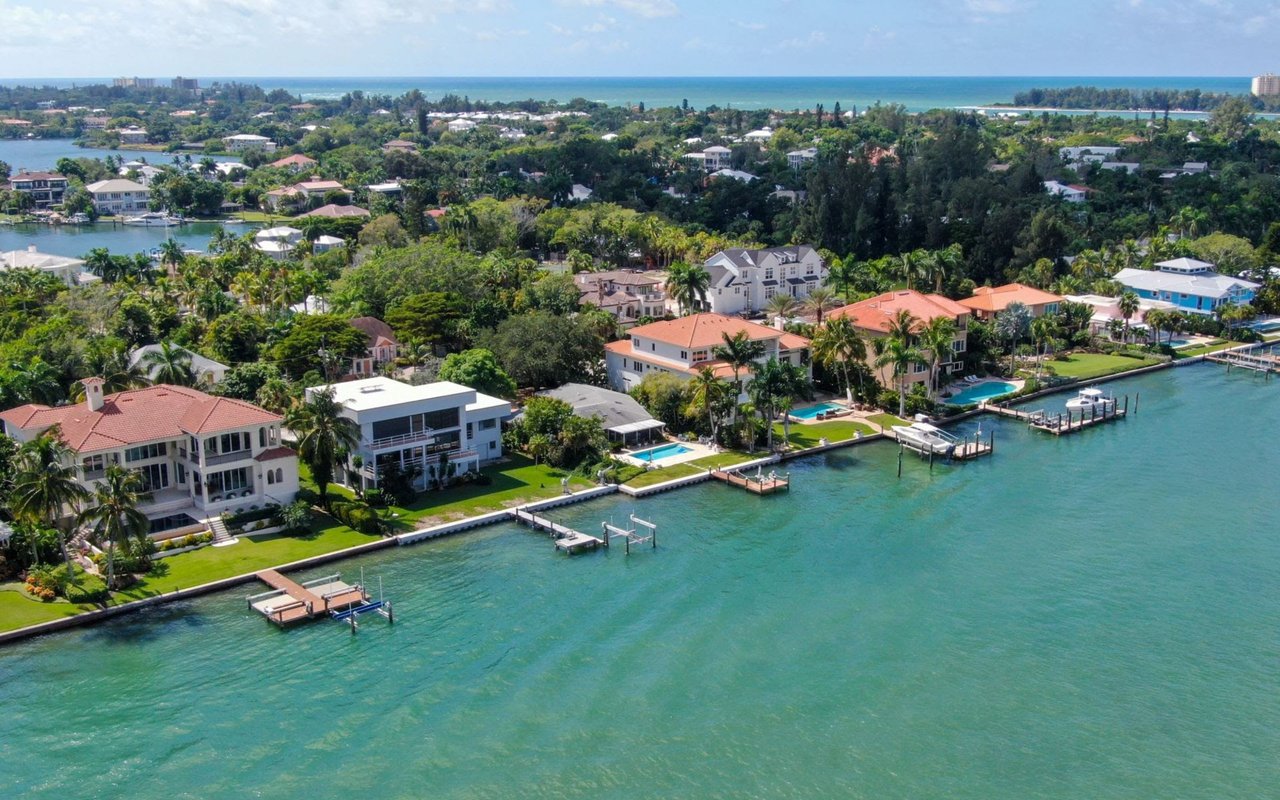
Longboat Key is a barrier island between the Gulf of Mexico and Sarasota Bay. The town describes it as a well-planned community centered on beaches and parks, with about 7,532 permanent residents and a population that can grow to around 20,000 in winter.
That seasonal pattern matters if you are buying a second home. You may love the convenience of having a coastal escape in a popular winter destination, but you also need to think beyond the view and focus on day-to-day ownership.
One of the biggest Longboat Key buying considerations is that the island is split between two counties. The northern part is in Manatee County, and the southern part is in Sarasota County.
That means your property’s location can affect taxes and administrative rules. Before you get too far into a purchase, confirm exactly which county the parcel is in and what that means for your ownership costs and paperwork.
On Longboat Key, broad island-wide assumptions can lead you in the wrong direction. Flood exposure, rental rules, county tax treatment, and even association restrictions can vary from one property to the next.
For second-home buyers, that makes parcel-level review especially important. A condo on one street may have a very different ownership experience than a single-family home a short distance away.
A second home is more than a purchase price and a mortgage payment. On Longboat Key, you should build a realistic annual budget that includes taxes, utilities, flood-related expenses, and routine upkeep.
This is especially important if you will only use the property part time. Carrying costs continue year-round, whether you are in town or not.
Florida’s homestead exemption is tied to a permanent residence, so a second home generally should not be assumed to qualify. The state also notes that property taxes are based on taxable value multiplied by millage, and non-ad valorem assessments may be added for services like garbage, drainage, water, or sewer.
Longboat Key’s tax picture is not uniform across the island. The town’s ad valorem tax information shows different county mill rates and separate Gulfside and Bayside town millage categories, so it is smart to verify the exact parcel instead of relying on a general estimate.
The town provides water and wastewater service and publishes current rates. The current rate sheet shows a $21.72 base water charge, a $24.60 sewer base charge, and a $23.61 garbage and recycling charge per unit, before usage and deposits.
Those charges may look manageable at first glance, but they are only part of the picture. Water use, tiered pricing, and seasonal occupancy can all affect your total monthly costs.
If you will be an absentee owner for part of the year, maintenance planning becomes a bigger issue. The town’s property maintenance code requires clean and safe exteriors, grass and weeds under 12 inches, trash containers stored out of public view, and proper upkeep of structures over water.
The town also limits irrigation and uses tiered water pricing. In practical terms, that means you should have a clear plan for lawn care, exterior checks, and routine property monitoring while you are not on the island.
Waterfront and coastal living come with tradeoffs. Longboat Key’s location is a major part of its appeal, but it also means storm planning should be part of your buying decision from day one.
If you are purchasing a second home from out of state, this step is even more important. You need to know not only the property’s flood profile, but also how you will handle storm prep if a weather event develops while you are away.
The town states that all Longboat Key residents are in Level A evacuation zone. Hurricane season runs from June 1 through November 30.
For a second-home owner, that means you need a realistic evacuation and response plan. You should also think through who can act locally if a storm is approaching and your home needs preparation or post-storm inspection.
Longboat Key offers an address-based flood-risk search that shows flood zone, Base Flood Elevation, Design Flood Elevation, and available elevation certificates. This is one of the most useful tools for buyers who want to understand a specific property before closing.
FEMA states that a mortgage on a building in a Special Flood Hazard Area generally requires flood insurance. That is why flood review should happen early in the buying process, not after you are already emotionally committed to a property.
If you are buying with plans to remodel, update, or rebuild, make sure you understand the town’s flood and permitting rules. Longboat Key says substantially damaged or substantially improved buildings must comply with flood protection elevation rules.
The town’s hurricane permitting guidance also warns owners to use licensed contractors and obtain permits for most work. It notes that unlicensed work can create insurance, liability, code, and lien problems.
The town’s FAQ notes that some flood-zone and construction rules are stricter seaward of the Coastal Construction Control Line. That point is especially relevant if you are considering Gulf-facing property.
If your second-home strategy includes renovations or long-term improvements, this is an area where early due diligence can save time, money, and frustration later.
Many second-home buyers choose Longboat Key because of the beach setting. That makes it worth learning a few practical town rules before you buy.
The town notes that public beach areas are not monitored by lifeguards. It also prohibits pets on the beach and at beach accesses, and turtle-lighting restrictions apply in season.
These are not deal-breakers for most buyers, but they are part of the ownership experience. If you want a property that fits your seasonal routine, it helps to understand these everyday rules upfront.
Some buyers hope a second home can offset costs through part-time rental income. On Longboat Key, that is an area where assumptions can get expensive.
Before you count on any rental strategy, confirm the property’s zoning, county, and any condo or HOA restrictions. Town rules are only one layer of the picture.
Longboat Key limits short-term rentals in residentially zoned properties. Unless a property is tourism-zoned or grandfathered, the minimum rental period is 30 consecutive days.
The town also requires rentals of less than six months to register in the Residential Rental Registry and obtain a Business Tax Receipt. A safety inspection is required, and the certificate number must appear in advertisements.
The town says under-30-day rentals can bring escalating fines of $100, $250, and $500 for repeat offenses. Each rented day is treated as a separate offense.
That makes rental compliance a serious financial issue, not a minor technicality. If rental flexibility matters to you, verify the rules before you write an offer.
County tax rules also matter because Longboat Key spans Sarasota and Manatee counties. Sarasota County states that its tourist development tax is 6% on rentals of six months or less, and Manatee County’s tourism materials also describe a 6% tourist development tax on lodging rentals of six months or less.
Sarasota County also advises owners to check zoning, municipal business-tax requirements, and HOA bylaws before renting. That is a good reminder that rental planning should include every layer of regulation tied to the property.
If you are serious about buying a second home on Longboat Key, keep your due diligence focused on the exact property rather than the general market story.
A few key questions can help you avoid surprises:
Buying a second home on Longboat Key can be a wonderful lifestyle move, but it works best when you go in with clear eyes. The right property for you is not just about location and layout. It is also about county details, flood exposure, carrying costs, maintenance planning, and realistic rental options.
If you want help narrowing down the right fit and reviewing the practical details that matter most, connect with Monica Desomma for knowledgeable, hands-on guidance in the Longboat Key market.
Stay up to date on the latest real estate trends.





I am committed to guiding you every step of the way—whether you're buying a home, selling a property, or securing a mortgage. Whatever your needs, I've got you covered.